
When Vibration Finds Its Rhythm
Sound · Frequency · Pitch · Standing Waves
A hands-on STEAM experience for Year 4-6
What if you could feel the invisible force pressing on everything around you? Discover how air pressure moves objects, powers machines and lifts things off the ground, through hands-on, scientific investigation.
Sound is Invisible. Its Effects Aren’t.
What happens when vibration finds its rhythm?
How can a guitar string create beautiful music? Why do some vibrations grow stronger while others disappear? And how can sound transform ordinary sand into extraordinary geometric patterns?
In Resonance, students investigate the hidden behaviour of vibrations through interactive experiments with stretched strings, wave interference and standing waves.
They’ll explore how tension affects pitch, measure sound frequencies and discover how resonance can create remarkable patterns in sand.
The challenge: Can you make invisible vibrations visible?
What will children discover?
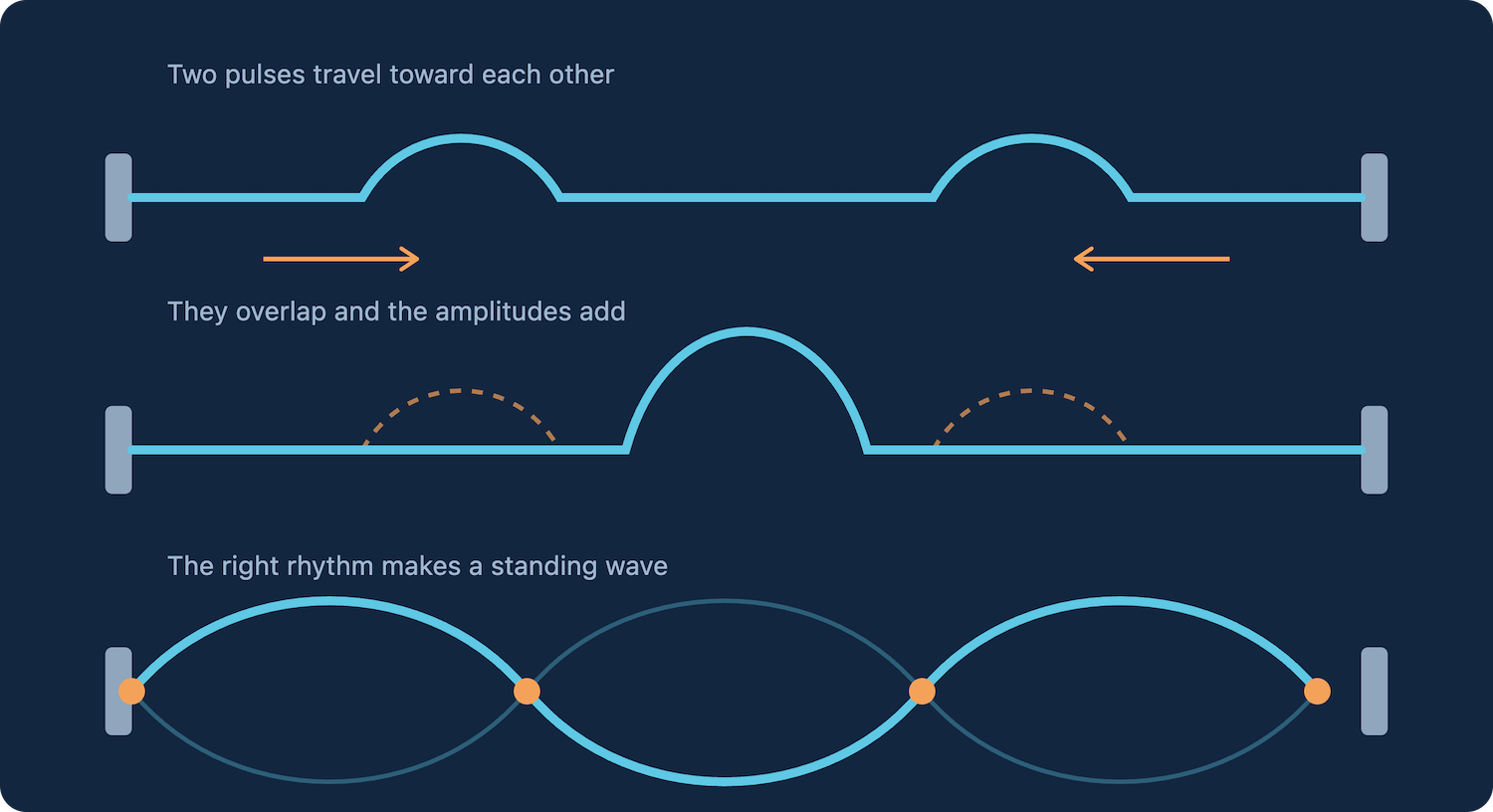
Waves in Motion
What happens when two waves meet?
Using a stretchy rope, students investigate how waves travel, reflect and interact. They’ll discover how vibrations can reinforce or cancel each other and how the right rhythm can create standing waves.
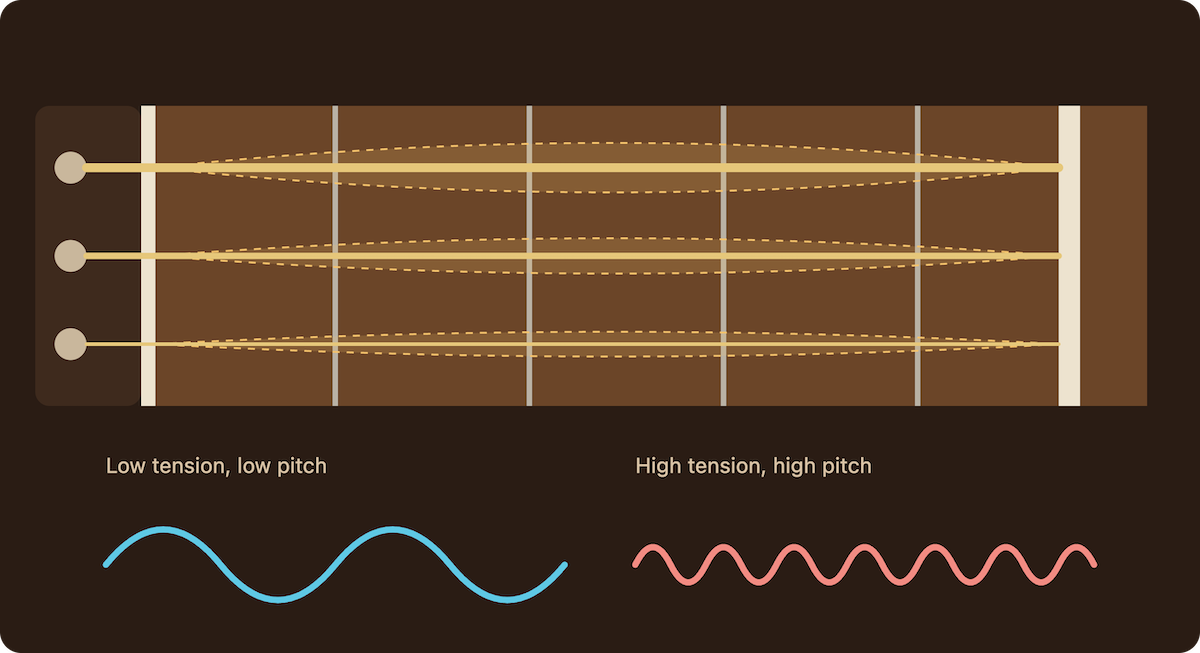
Strings, Tension & Pitch
Why does tightening a guitar string change its sound?
Students explore how tension, mass and frequency influence pitch, discovering the physical relationships behind musical instruments.
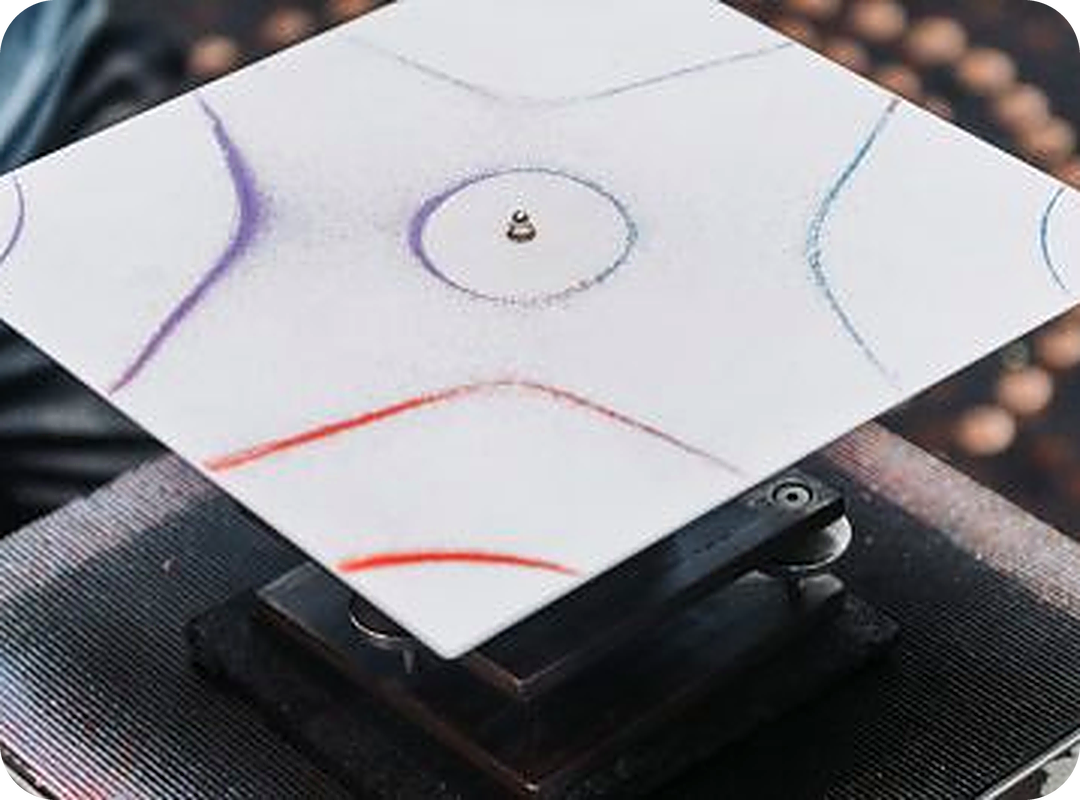
Dancing Sand
Can sound create art?
Using Chladni plates, students observe how vibrations organise sand into intricate geometric patterns. By changing the frequency, they’ll reveal different standing-wave patterns and discover the extraordinary effects of resonance.
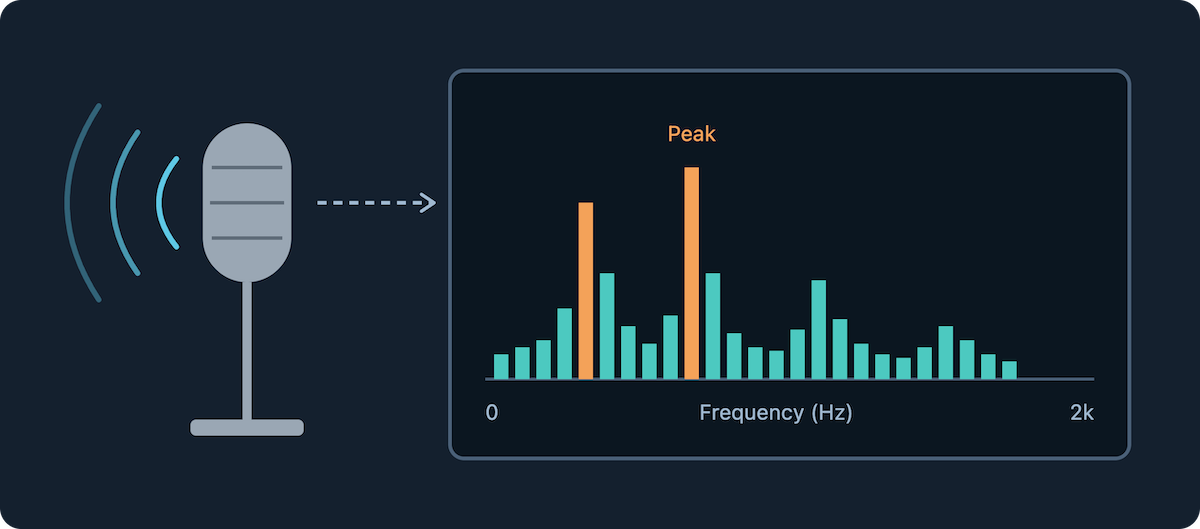
Measuring the Invisible
Can we measure something we cannot see?
Using microphones and spectrum analysers, students investigate sound frequencies, compare pitches and connect their measurements to the patterns produced on vibrating plates.
NESA Curriculum Aligned
Resonance supports the NSW Science and Technology K–6 curriculum for Stage 2 and Stage 3 students.
Through hands-on investigations into vibration and resonance, students explore how tension affects pitch, investigate wave interference and standing waves, and use microphones, frequency analysers and Chladni plates to measure frequencies and reveal hidden vibration patterns.
Stage 2 — Years 3–4
ST2-1WS-S — Working Scientifically: Students investigate vibration and sound, make predictions, observe how waves interact, compare frequencies and communicate their findings.
ST2-8PW-ST — Physical World: Students explore how forces and energy affect movement and vibration, investigating how changes in string tension influence pitch and how vibrating surfaces produce observable patterns.
Stage 3 — Years 5–6
ST3-1WS-S — Working Scientifically: Students conduct investigations, control variables, measure frequencies, identify patterns and use evidence to explain their observations.
ST3-8PW-ST — Physical World: Students investigate vibration and energy transfer, exploring relationships between frequency, pitch and resonance, and how standing waves produce geometric patterns on Chladni plates.
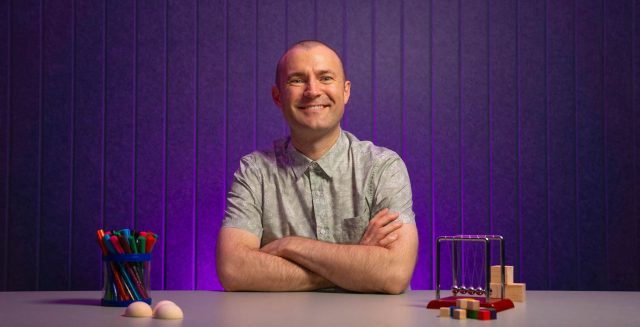
Jeremy brings a rich background in programming, sound engineering, physics presentation and science education—but the real teacher in these workshops is curiosity.
The goal isn’t simply to give children more facts.
It’s to help them discover:
“I can figure this out.”
✨ Find the miracles in the mundane.
🔬 See the science hiding in plain sight.
💡 Discover that ideas, reason and imagination can change what is possible.