Build it. Light it. Power it.
In elecTrick, students investigate the invisible forces that power our world. Through hands-on experiments, they build electrical circuits, measure voltage, light LEDs and explore how chemical reactions can generate electricity.
It’s a practical introduction to electrical science that encourages children to question, investigate and discover how the world works.
Electricity Is Invisible. Its Effects Aren’t.
You can’t see electricity flowing through a wire. But you can see what happens when it does.
A light turns on. A motor spins. A spark jumps. Something changes.
In elecTrick, students investigate the invisible forces behind these effects. They build circuits, measure voltage, light LEDs and even generate electricity using potatoes.
Because sometimes, the most powerful things in our world are the things we cannot see.
What will students investigate?
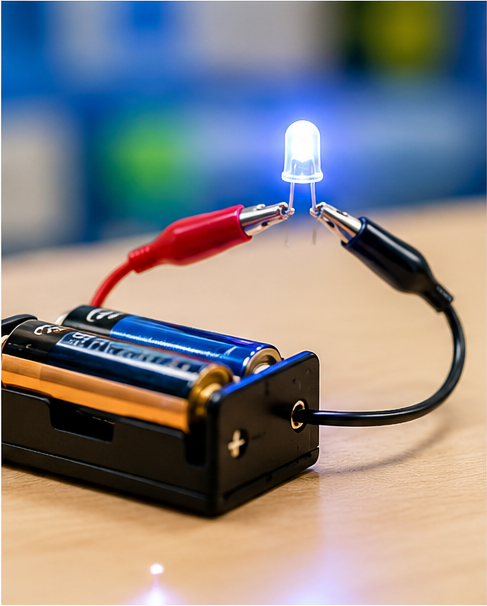
Make the Invisible Visible
You can’t see electricity flowing through a wire, but you can see what happens when it does. Students build circuits, light LEDs and investigate how electrical energy produces real effects.
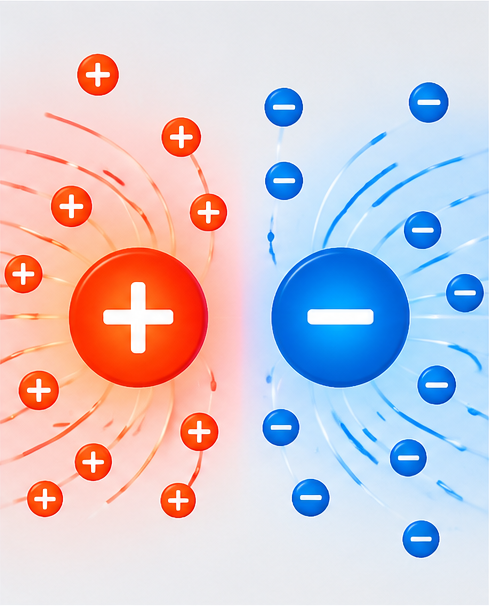
Discover What Makes Electricity Flow
Explore positive and negative charges, voltage and current. Using batteries, circuits and multimeters, students investigate how electrical potential differences drive current.
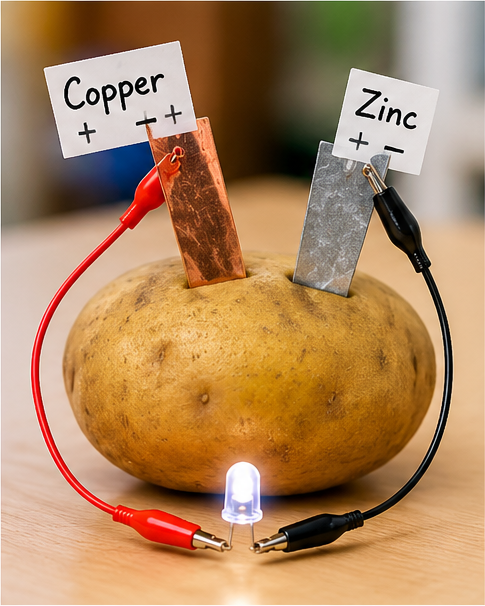
Generate Your Own Electricity
Can a potato power a light? Students experiment with copper and zinc electrodes to build potato batteries, discovering how chemical reactions can generate electrical energy.
NESA Curriculum Aligned
elecTrick supports the NSW Science and Technology K–6 curriculum for Stage 2 and Stage 3 students.
Through hands-on investigations into electricity, students build circuits, measure voltage, explore electrical potential and investigate how energy can be transformed.
Stage 2 — Years 3–4
ST2-1WS-S — Working Scientifically: Students investigate electrical phenomena, collect measurements and communicate findings.
ST2-2DP-T — Design and Production: Students assemble circuit components to develop working electrical systems.
ST2-8PW-ST — Physical World: Students explore electrical energy and its observable effects.
Stage 3 — Years 5–6
ST3-1WS-S — Working Scientifically: Students conduct investigations, collect measurements and communicate conclusions.
ST3-2DP-T — Design and Production: Students construct, test and troubleshoot electrical circuits.
ST3-8PW-ST — Physical World: Students explore how energy is transformed, including chemical energy being converted into electrical energy and light.
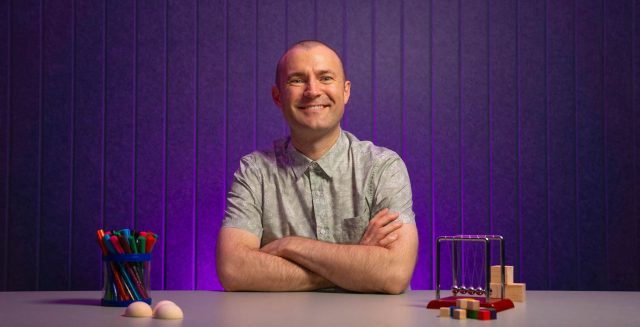
Jeremy brings a rich background in programming, sound engineering, physics presentation and science education—but the real teacher in these workshops is curiosity.
The goal isn’t simply to give children more facts.
It’s to help them discover:
“I can figure this out.”
✨ Find the miracles in the mundane.
🔬 See the science hiding in plain sight.
💡 Discover that ideas, reason and imagination can change what is possible.